
Pet-Friendly Design
Designed for pets.
Considered for people.
PawSynca looks at smart pet products through the way cats and dogs actually live: how they eat, drink, move, rest, travel, explore, and interact with the spaces around them.

Pet-friendly design is not about adding a paw icon to a product. It begins with understanding how a product fits into real pet life.
Technology should adapt to the routine, not ask the pet to adapt to the technology.
From feeder placement and water access to collar fit, camera position, carrier comfort, cleaning, and everyday interaction, PawSynca focuses on products that make sense around the physical and behavioral needs of cats and dogs.
Pet-friendly starts with the small details.
Useful pet technology should consider interaction, placement, maintenance, movement, and the way a product becomes part of a familiar routine.
Easy to understand
Products should communicate their purpose clearly so everyday use feels intuitive for pet owners and less disruptive to familiar routines.
Comfort-aware
Fit, access, size, placement, and movement all matter when a product sits close to a pet or becomes part of feeding, travel, rest, or play.
Practical to maintain
Everyday pet products live around water, food, fur, paws, floors, cars, and outdoor environments, so practical upkeep matters.
Appropriate for the routine
Safety products, carriers, barriers, trackers, and other tools should be used with attention to the pet, environment, fit, and intended purpose.
Designed around interaction
Whether a pet approaches, wears, drinks from, plays with, or travels inside a product, the interaction itself should remain part of the design.
At home in real spaces
Pet technology should integrate naturally into modern homes instead of feeling like equipment that needs a separate environment.
Different routines need different kinds of consideration.
A feeder, camera, collar, or carrier does not interact with a pet in the same way. Pet-friendly thinking changes with the role each product plays.
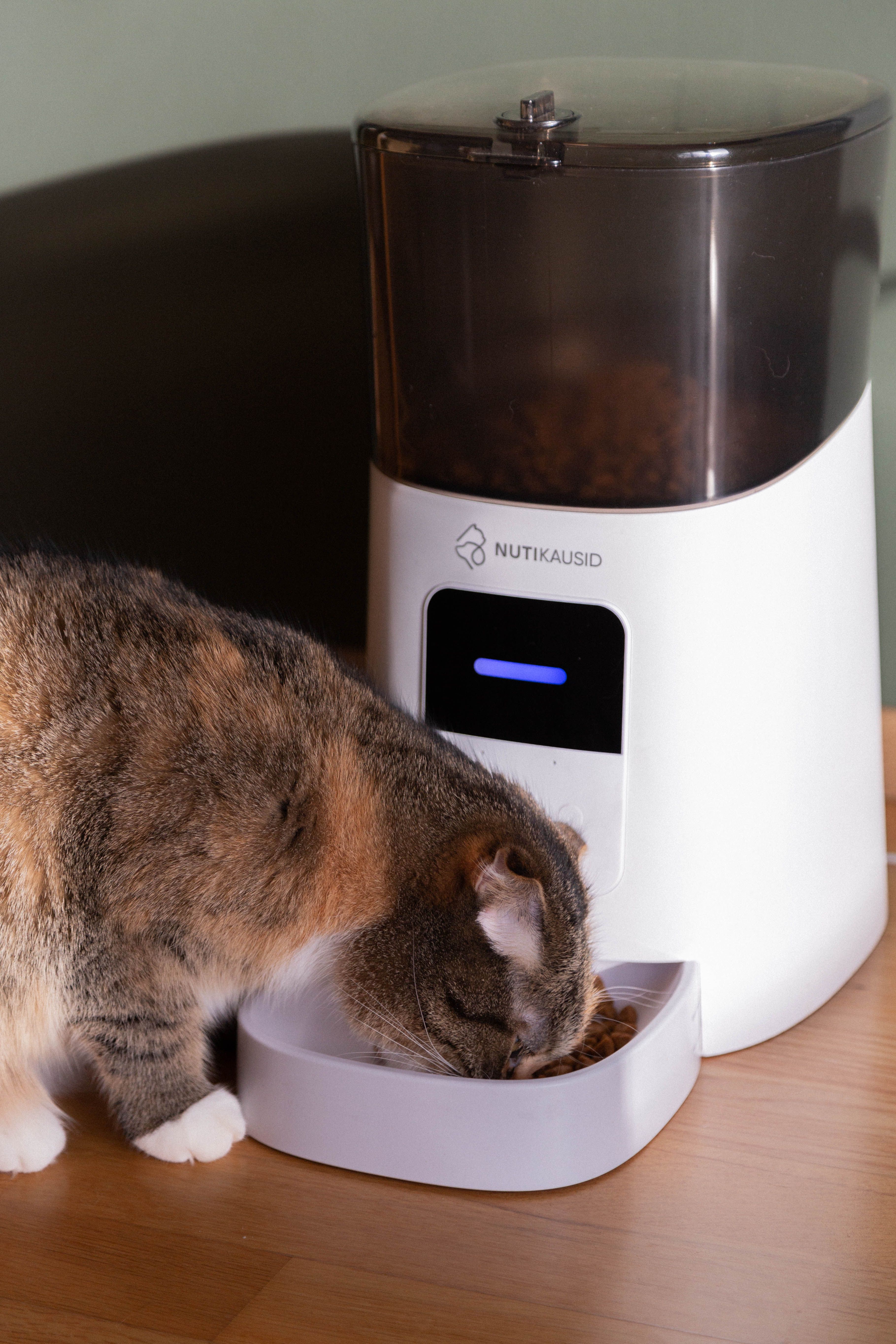
Familiar access matters.
Smart feeding and hydration products should fit naturally into the places where pets already eat and drink.
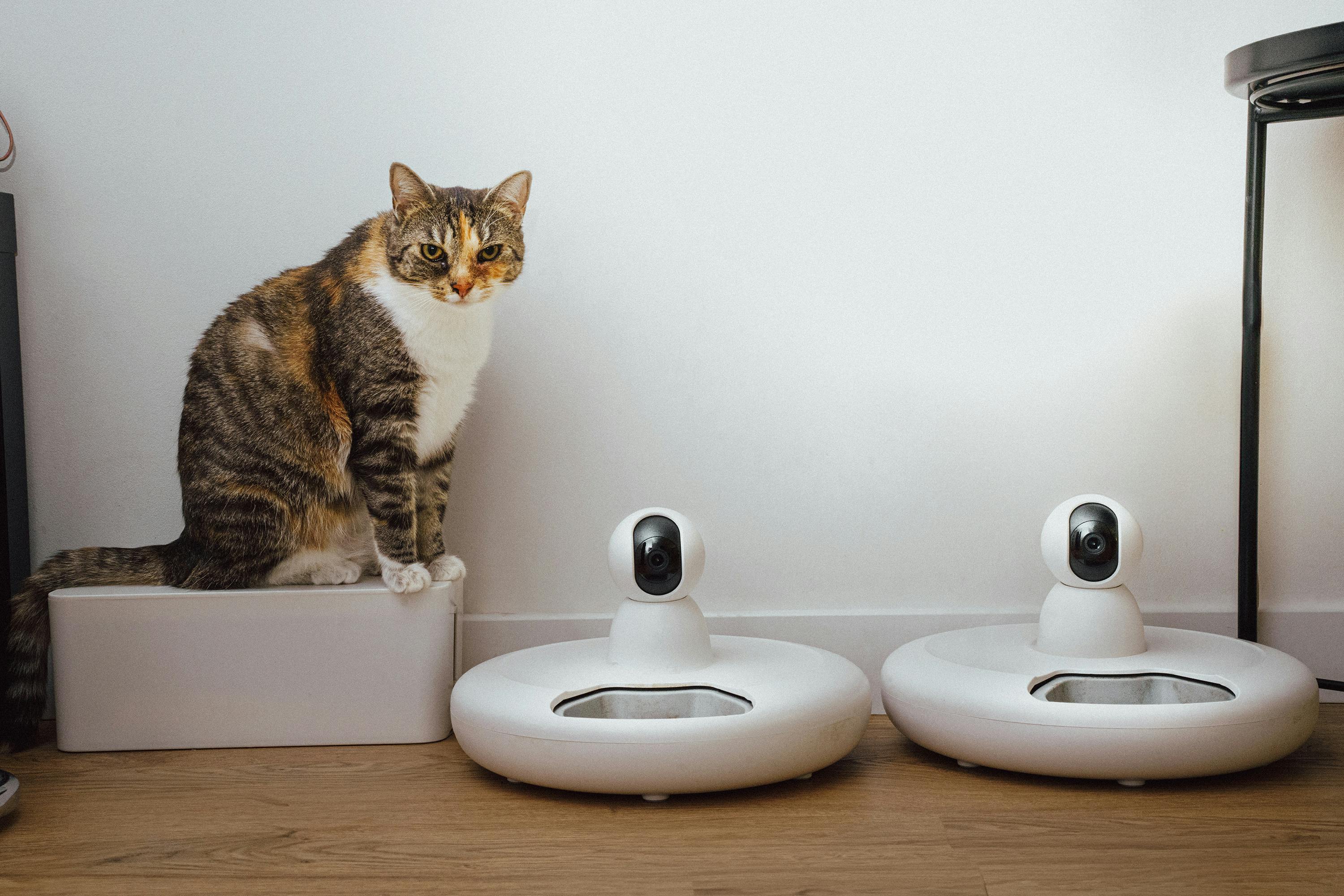
Observe without getting in the way.
Cameras and monitoring devices work best when they support awareness while allowing pets to continue their normal routines.
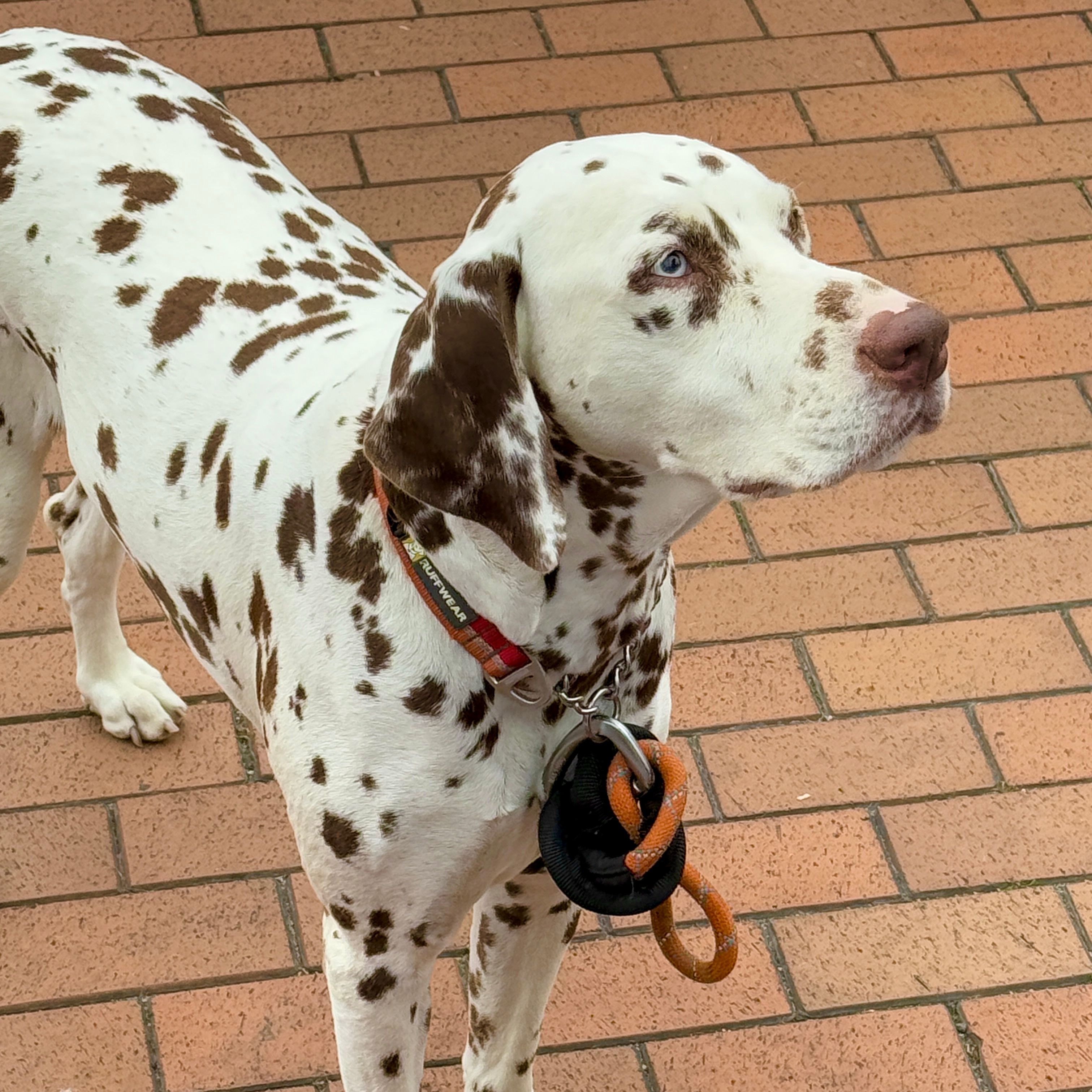
Movement should stay natural.
Collars, trackers, and visibility products should be considered around fit, movement, supervision, and the pet's normal activity.
Four questions worth asking before a product becomes part of the routine.
Pet-friendly design is easier to understand when you look beyond appearance and think about how a product will actually be used.
How will the pet interact with it?
Consider whether the pet will wear it, approach it, enter it, drink from it, play with it, or simply move around it.
Where will it live?
A feeder on the floor, camera on a shelf, gate in a doorway, or carrier in a car all face different practical conditions.
Will it fit the pet and routine?
Size, placement, fit, access, activity level, supervision, and the intended environment can all affect suitability.
Will it remain practical over time?
Everyday products should be considered around upkeep, storage, charging, cleaning, repeated use, and changing routines.
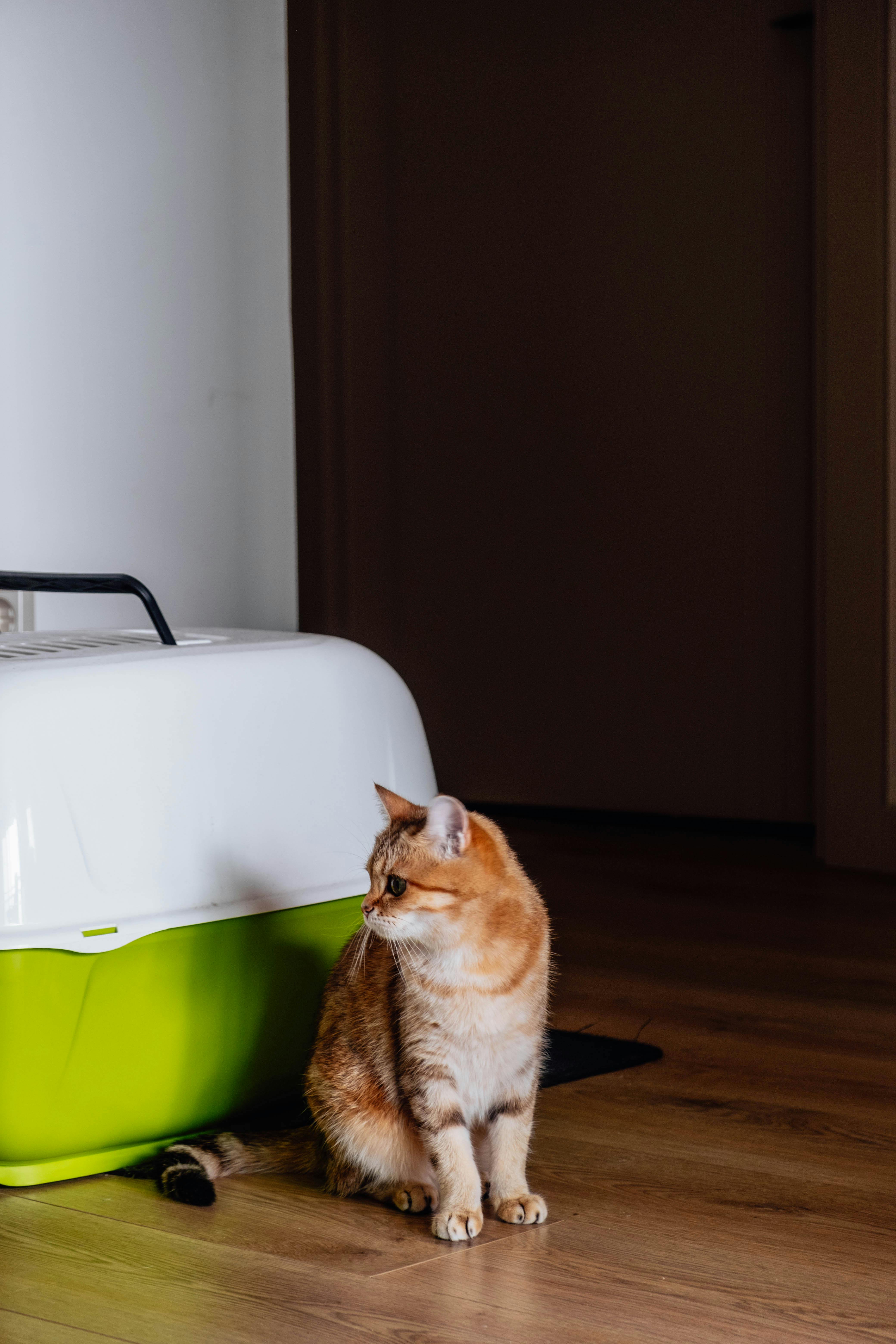
A good design works for both sides of the relationship.
Pet-friendly products are used by people but experienced by pets. That means good everyday design needs to consider both: practical handling for the owner and appropriate interaction for the animal.
Simple for people to place and use
Controls, setup, positioning, storage, and maintenance should fit naturally into everyday routines.
Appropriate for how pets move
Products that pets wear, enter, approach, or move around should be considered in relation to their size and normal activity.
Used with attention to context
The right placement, fit, supervision, and environment can matter just as much as the product itself.
The right design depends on the pet, the product, and the routine.
If you are comparing products or trying to understand which type of smart device, safety product, or travel solution may better fit your pet's routine, PawSynca is here to help you explore the options.
A few useful answers.
Pet-friendly design is about suitability and everyday use, not one universal feature that works for every pet.
What does PawSynca mean by pet-friendly design?
It means considering how a product fits into real pet routines, including interaction, comfort, movement, access, placement, maintenance, and everyday use.
Does one product design work for every cat or dog?
No. Suitability can depend on the individual pet, size, behavior, environment, intended use, product dimensions, and routine.
What should I consider when choosing wearable pet technology?
Consider fit, size, weight, normal movement, intended use, supervision, and the manufacturer's product-specific guidance.
What matters when choosing a feeder or water fountain?
Think about your pet's normal eating or drinking position, product placement, capacity, maintenance, access, and how easily the product can become part of the existing routine.
Can pet monitoring technology replace attentive care?
No. Monitoring products can support everyday awareness, but they do not replace attentive care or professional veterinary advice when health concerns arise.
How can I contact PawSynca for product questions?
You can reach PawSynca through the Contact page, by email at info@pawsynca.lat, or by phone at 8053929899.
Better technology begins with better consideration.
Explore smart pet devices, safety products, monitoring tools, travel essentials, and everyday pet technology designed around the routines cats, dogs, and their people share.